How MMORPGs Differ from Hyper Casual Games: A Deep Dive into Gaming Genres
In the vast universe of gaming, genres play a fundamental role in shaping our experiences. Among these, MMORPGs (Massively Multiplayer Online Role-Playing Games) and Hyper Casual Games stand out as two distinct categories, each catering to unique player preferences. In this article, we will explore the key differences between these genres, examining their gameplay mechanics, audience appeal, and development insights. Let’s dive deep into the gaming realm!
Understanding MMORPGs
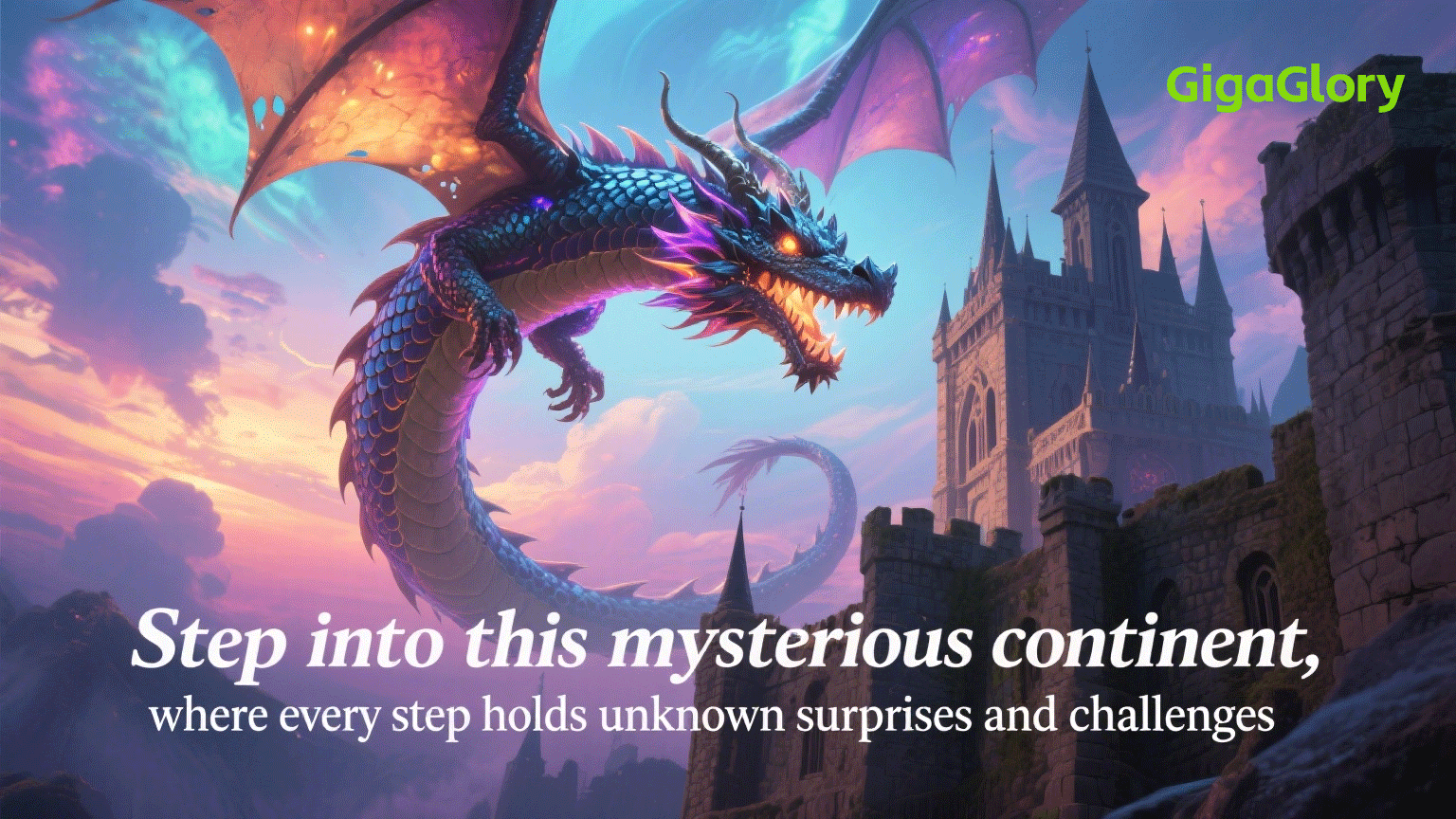
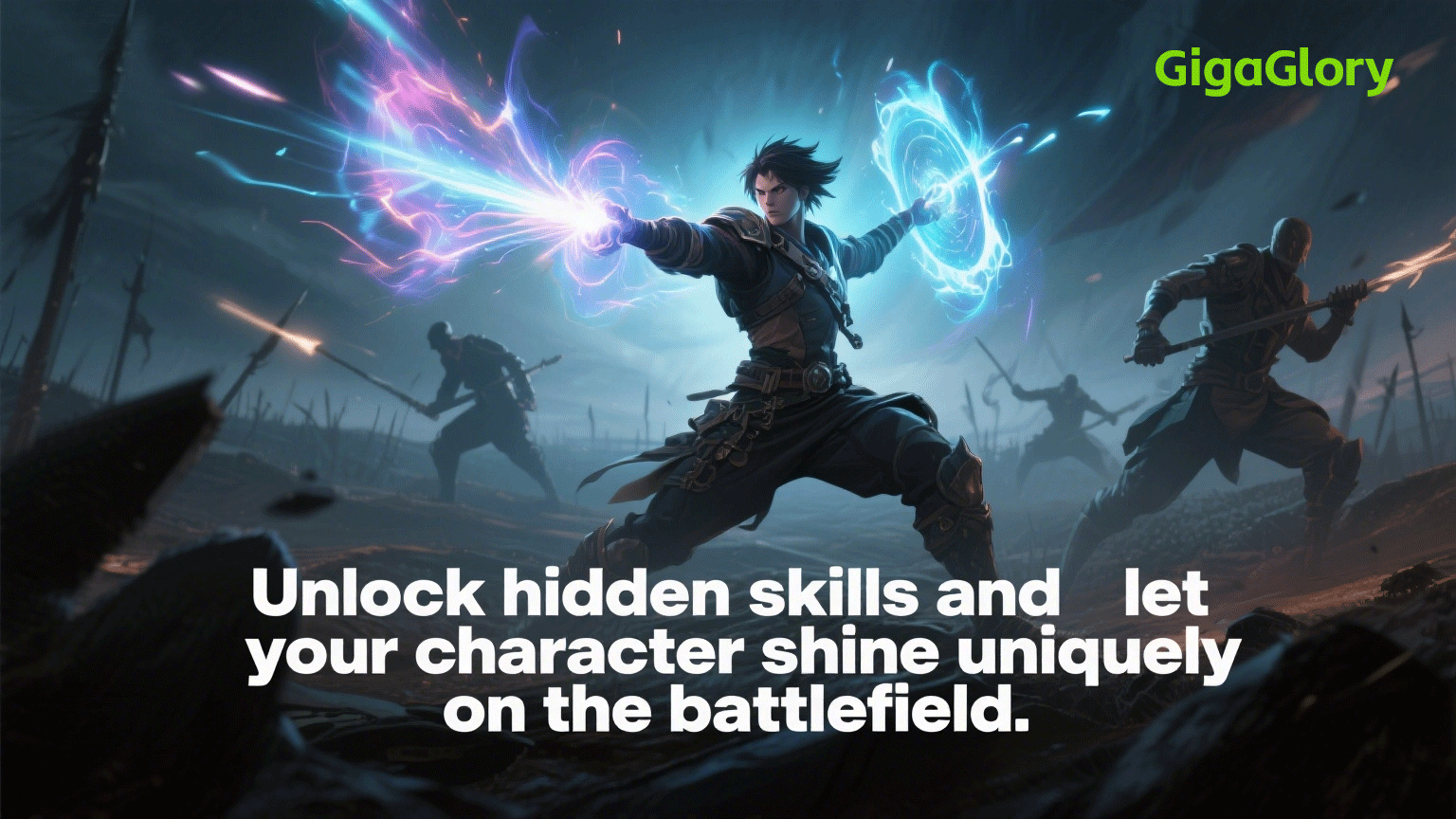
MMORPGs are immersive environments where thousands of players merge their destinies in sprawling virtual worlds. These games demand time, strategic thinking, and a commitment to character development. Here are some defining characteristics:
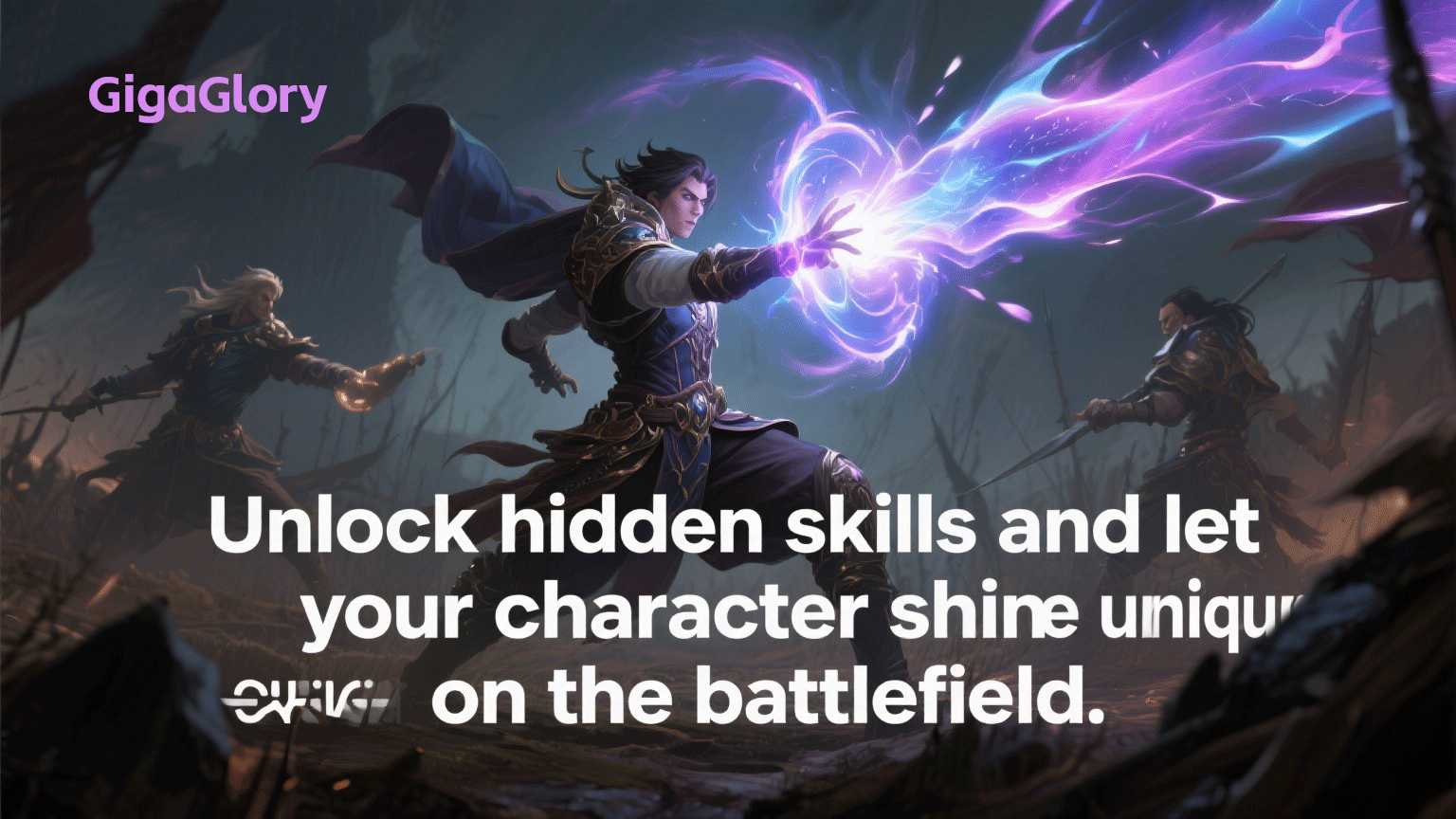
- Character Customization: Players create unique avatars with distinct abilities and appearances.
- World-Building: Vast and detailed worlds, enriched by lore and history.
- Community Interaction: Guilds, alliances, and group quests foster social engagement.
- Progression Systems: Character leveling, equipment upgrades, and skill trees that encourage long-term gameplay.
What Are Hyper Casual Games?
In contrast, Hyper Casual Games are designed for quick play sessions, offering simple mechanics and instant gratification. These titles typically require little more than a quick tap. Let's see what makes them unique:
- Accessibility: Easy-to-understand gameplay that can be enjoyed by anyone.
- Immediate Fun: Short, engaging sessions ideal for quick entertainment, perfect during short breaks.
- Minimalistic Design: Simple graphics and straightforward interfaces focus on gameplay over complexity.
- Ad Monetization: Revenue is primarily generated through ads rather than expensive game sales.
Gameplay Mechanics: A Closer Look
When comparing MMORPGs to Hyper Casual Games, we must focus on gameplay mechanics. MMORPGs require players to immerse themselves over hours, while Hyper Casual Games thrive on fleeting moments of joy. Below is a table depicting these contrasts:
| Aspect | MMORPGs | Hyper Casual Games |
|---|---|---|
| Game Length | Hours to days | Minutes to a few hours |
| Player Involvement | High | Low |
| Storyline | Deep, complex narratives | Minimal to none |
| Skill Requirement | High | Low |
Audience Appeal: Who Plays What?
The target audiences for these genres also vary significantly. MMORPG enthusiasts often seek engaging storylines and a connected experience, while Hyper Casual gamers prefer accessibility and short bouts of entertainment.
Here’s a breakdown of the target demographics:- MMORPG: Typically ages 18-35, valuing community and in-depth gameplay. Ideal for gamers who enjoy RPG elements and elaborate worlds.
- Hyper Casual: Mixed age demographics, often younger audiences seeking fun while commuting or taking small breaks.
Development Insights
The development approach for both genres is radically different. MMORPGs necessitate significant budgets and teams to create expansive worlds. On the other hand, Hyper Casual Games often require smaller teams and shorter development cycles. Let’s explore some key factors:
Key Development Factors:- **Investment**: MMORPGs demand heavy investment for long-term returns; Hyper Casual Games are often created with minimal budgets aimed at rapid monetization.
- **Timeframe**: Production for MMORPGs can take years, while Hyper Casual titles may be developed in weeks.
- **Game Updates**: MMORPGs benefit from episodic content and ongoing immersion; Hyper Casual Games leverage updates for new levels to keep the experience fresh.
Recent Trends: RPG Games New Releases
The gaming industry is ever-evolving, introducing innovative experiences regularly. Recent RPG releases capture the essence of MMORPGs, shifting towards accessibility without compromising depth. Titles like Final Fantasy XIV and The Elder Scrolls Online have added expansive worlds during updates, continuously enhancing player experience, while emerging Hyper Casual Games are emphasizing relaxed themes. It's a melting pot of ideas fueling both genres!
The Impact of Game Design on Player Engagement
One noticeable aspect is how game design can dictate player engagement levels. MMORPGs build long-term retention through community interactions and rewarding experiences. In contrast, Hyper Casual Games excel at quick bursts of fun but may struggle with keeping players long-term. Players often burn through content quickly, leading to a crash of interest unless fresh designs emerge. The insurgency crash after match element can occur in both genres—too much content too quickly can leave players overwhelmed or disinterested!
Conclusion: Which Is Right for You?
Ultimately, both MMORPGs and Hyper Casual Games have their own merits, and the right choice depends on what you are looking for in a gaming experience. Whether you revel in the camaraderie found in lively dungeons or prefer a quick 5-minute session while waiting for your coffee, both genres bring something valuable to the gaming table. So, what will it be? The adventure of MMORPGs or the thrill of Hyper Casual Games? The choice is yours!